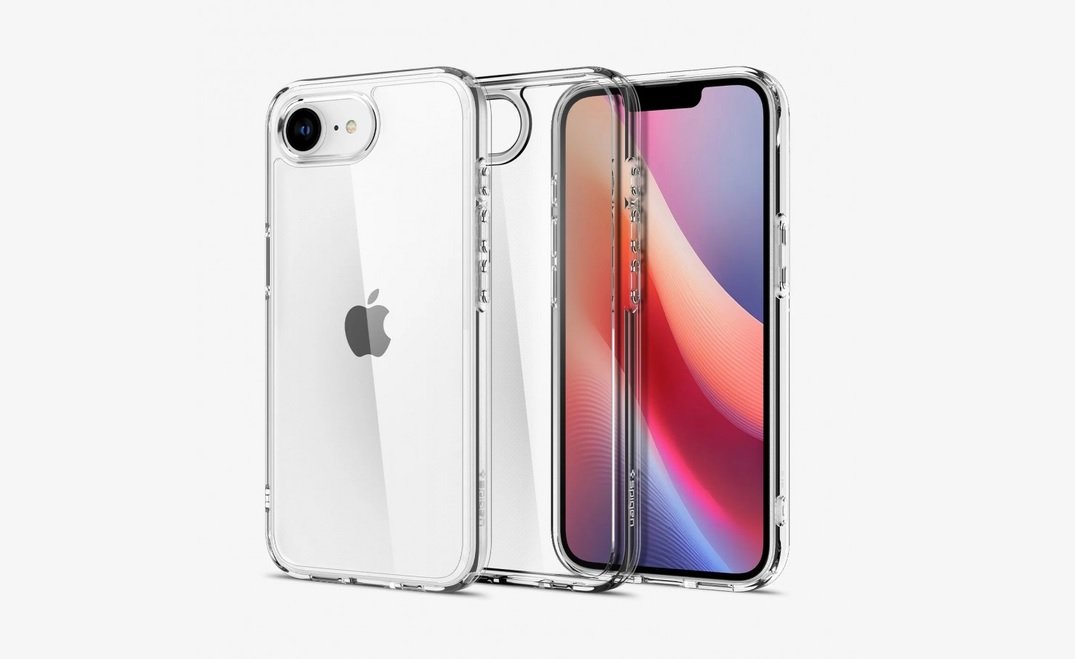
Navigating Apple's diverse iPhone lineup can feel like a quest for the holy grail of value. For years, the iPhone SE has held that mantle, offering a taste of premium Apple performance without the flagship price tag. Now, all eyes are on the horizon for its highly anticipated successor. While Apple remains tight-lipped, industry whispers and reliable analyst reports paint a surprisingly clear picture of the Expected iPhone SE 4 Features and Specifications, promising a radical evolution rather than a mere iteration.
Gone are the days of the familiar Home button and thick bezels; the SE is finally embracing a thoroughly modern aesthetic, borrowing heavily from recent flagship designs. This isn't just a cosmetic refresh; it's a fundamental reimagining of what Apple's budget-friendly powerhouse can offer, integrating cutting-edge features like the latest A-series chip and significant camera upgrades that blur the lines between "affordable" and "premium."
At a Glance: What to Expect from the iPhone SE 4
Before we dive deep, here’s a quick rundown of the most significant anticipated upgrades for the iPhone SE 4:
- Launch Window: Expected March 2025
- Starting Price: Around $499 (up from $429)
- Possible Name: iPhone 16E (rumored)
- Processor: A18 chip (same as iPhone 16/16 Plus)
- RAM: 8GB
- Storage: 128GB, 256GB, potentially 512GB
- Design: Modern, iPhone 14/XR-style all-screen design
- Display: 6.06-inch or 6.1-inch OLED, 2532 x 1170 pixels, True Tone
- Biometrics: Face ID (replacing Touch ID)
- Rear Camera: Single 48-megapixel sensor with Night mode, Smart HDR, Deep Fusion
- Front Camera: 12-megapixel, possibly with Center Stage
- Connectivity: 5G (Apple’s own modem), Wi-Fi 6E (or Wi-Fi 6), Bluetooth 5.3
- Battery: 3,279mAh (significant increase)
- Charging: USB-C port, fast charging, wireless charging
- Durability: IP68 water and dust protection
- Special Features: Full support for Apple Intelligence, potential Action Button
A Familiar Look, A Modern Heart: The SE Gets a Makeover
For years, the iPhone SE has been instantly recognizable by its classic iPhone 8-style design: physical Home button, Touch ID, and substantial bezels above and below the display. While nostalgic for some, this aesthetic had begun to feel a bit out of step with the modern smartphone landscape. The good news? The iPhone SE 4 is poised to shed its retro skin entirely.
Rumors strongly suggest a design overhaul that will bring the SE into the present, adopting a look strikingly similar to the iPhone 14 or even the iPhone XR. This means saying goodbye to the Home button and hello to an expansive, all-screen front. We're talking slimmer bezels that stretch closer to the edges of the device, creating a much more immersive viewing experience. In its place, you'll find a familiar notch at the top, housing the necessary sensors for Apple’s advanced facial recognition system. This shift marks the definitive end of Touch ID as the primary biometric security for the SE line, fully embracing Face ID.
The body itself is expected to retain the premium feel of an iPhone, crafted from aluminum and glass. This combination not only looks sleek but also allows for features like wireless charging, which we'll discuss in more detail later. Weighing in at an estimated 165 grams, it will be slightly heavier than its 144-gram predecessor, a likely consequence of the larger display and battery.
Adding to its modern credentials, there’s a strong possibility the iPhone SE 4 will incorporate a customizable Action Button, a feature first introduced on the iPhone 15 Pro models. This dedicated button, replacing the traditional mute switch, could be programmed for quick access to various functions like the camera, flashlight, voice memos, or even accessibility shortcuts, offering an extra layer of personalization and convenience.
The Big Visual Leap: OLED Display Technology Arrives
Perhaps no single upgrade is as visually impactful as the expected transition to an OLED display. The current iPhone SE (2022) still sports a 4.7-inch LCD panel, which, while decent, pales in comparison to the vibrant colors and deep blacks offered by OLED technology.
The iPhone SE 4 is slated to feature a significantly larger 6.06-inch or 6.1-inch OLED panel with a resolution of 2532 x 1170 pixels. This isn't just about size; it's about quality. OLED screens illuminate each pixel individually, meaning true blacks are achieved by simply turning off those pixels, resulting in unparalleled contrast. Colors pop with greater vibrancy, and content generally looks sharper and more engaging. This is the kind of display quality you'd expect from a much pricier phone, making it a huge win for consumers. The inclusion of True Tone technology will ensure the display adapts to the ambient light in your environment, making colors appear consistent and natural, whether you're reading an e-book or browsing photos. Understanding the OLED display technology advancements can help users appreciate this significant upgrade.
Powering the Future: A18 Chip and Apple Intelligence
Underneath that sleek new design and stunning display, the iPhone SE 4 is set to house some serious horsepower. Rumors indicate it will be equipped with the A18 chip, the very same silicon expected to power the upcoming iPhone 16 and iPhone 16 Plus. This is a monumental leap from the A15 Bionic found in the previous SE model.
What does an A18 chip mean for you?
- Blazing Fast Performance: Expect buttery-smooth navigation, lightning-fast app launches, and seamless multitasking, even with demanding applications or games.
- Future-Proofing: A cutting-edge chip ensures your phone remains performant and supported for years to come, handling future iOS updates and new app requirements with ease.
- Advanced AI Capabilities: Crucially, the A18 chip will enable full support for Apple Intelligence features. This integrated personal intelligence system, leveraging generative AI, promises to transform how you interact with your device. Think smarter Siri interactions, advanced photo editing suggestions, more intuitive writing tools, and proactive assistance tailored to your daily routines. Exploring Apple Intelligence's capabilities reveals just how transformative this inclusion could be for the SE line.
Complementing this powerful chip, the iPhone SE 4 is expected to pack 8GB of RAM. This is a substantial upgrade from the 4GB in the current model and matches the RAM found in current flagship iPhones. More RAM means your phone can keep more apps and processes active in the background without slowing down, making multitasking feel incredibly fluid.
For storage, Apple is expected to offer 128GB and 256GB options, with a potential 512GB tier. While 128GB remains a solid starting point for many, the option for 256GB or even 512GB caters to users who store a lot of photos, videos, or games, ensuring they won't quickly run out of space.
Capturing Life: Upgraded Cameras
The iPhone SE has historically focused on offering a capable but not cutting-edge camera experience. That's all set to change with the fourth generation. The iPhone SE 4 is expected to feature a single 48-megapixel rear camera, a dramatic upgrade from the 12-megapixel sensor found in its predecessor.
While it will still be a single lens setup, this 48MP sensor brings several key advantages:
- Higher Resolution Photos: More megapixels allow for greater detail, especially when cropping or zooming into images.
- Improved Low-Light Performance: The larger sensor size associated with higher megapixel counts often translates to better light gathering capabilities, resulting in clearer, less noisy photos in challenging lighting conditions.
- Advanced Computational Photography: With the A18 chip at its core, this 48MP sensor will undoubtedly leverage Apple's sophisticated computational photography features. Expect support for Night mode (a game-changer for low-light shots), Smart HDR for balanced exposures in tricky lighting, and Deep Fusion for pixel-by-pixel image optimization.
On the front, a 12-megapixel camera is anticipated, providing sharp and detailed selfies and video calls. There's also speculation it might include Center Stage, a feature that uses machine learning to keep you perfectly framed during video calls, even as you move around. This is particularly useful for FaceTime calls, virtual meetings, or creating social media content.
All-Day Power and Modern Connectivity
Battery life is always a top concern for smartphone users, and the iPhone SE 4 appears ready to address it head-on. The device is expected to house a 3,279mAh battery, a significant boost from the current model's 2,018mAh capacity. This substantial increase promises improved battery life, comfortably delivering all-day usage for most users, even with the larger, more power-hungry OLED display.
When it's time to recharge, the SE 4 is slated to embrace modern standards. It will support fast charging, allowing you to quickly top up your device when you're in a hurry. Wireless charging will also be present, offering the convenience of simply placing your phone on a compatible charging mat. Perhaps the most anticipated change in charging, however, is the adoption of a USB-C port, finally replacing the Lightning connector. This brings the iPhone SE 4 in line with newer iPads, Macs, and the entire iPhone 15 lineup, offering universal compatibility and faster data transfer speeds. The benefits of USB-C on iPhones extend beyond just convenience, making it easier to share cables and accessories across your devices.
For staying connected, the iPhone SE 4 will be fully 5G capable, offering faster download and upload speeds wherever 5G networks are available. Interestingly, it's expected to feature Apple’s own in-house 5G modem, a departure from the Qualcomm chips used in previous models. This move could give Apple greater control over performance and efficiency. For local connections, Wi-Fi 6E (or at least Wi-Fi 6) and Bluetooth 5.3 are anticipated, ensuring fast, stable, and secure wireless communication with your home network and accessories.
Pricing, Availability, and the "iPhone 16E" Question
When can you get your hands on this refreshed SE? The iPhone SE 4 is largely expected to launch in March 2025, continuing the tradition of spring releases for the SE line. This timeline gives Apple ample room to debut its iPhone 16 models in the fall of 2024, ensuring the SE 4 doesn't immediately cannibalize sales.
As for pricing, expect an increase. The current iPhone SE (2022) started at $429. The iPhone SE 4 is anticipated to have a starting price around $499. While this represents a $70 jump, the substantial upgrades in design, display, chip, camera, and battery capacity could easily justify the new price point, positioning it as an incredible value proposition for what it offers.
Adding a twist to the typical SE narrative is the rumor that Apple might even rename the device. Some speculation suggests it could be dubbed the "iPhone 16E." This naming convention would align it more closely with the flagship line, perhaps signifying its significant leap in features and design. Whether it's the iPhone SE 4 or iPhone 16E, the essence remains the same: a powerful, modern iPhone at a more accessible price. For those keeping an eye on the calendar, staying informed about the Anticipated iPhone SE 4 release date is key to planning your next upgrade.
What Does This Mean for You? Actionable Insights for Buyers
The impending arrival of the iPhone SE 4 carries implications for various types of consumers. If you’re considering an upgrade, looking to sell an old device, or simply curious about the market, here’s some practical guidance:
- If You Own an Older iPhone SE (2nd or 3rd Gen) or iPhone 8/7/6S: This upgrade is massive. The SE 4 offers a completely modern experience with Face ID, a large OLED screen, dramatically improved cameras, and a much faster chip. Holding onto your current device until the SE 4 launches might be wise to maximize your trade-in value, though older models' values will likely depreciate further upon its release.
- If You're Eyeing a Non-Pro iPhone (13, 14, 15): The SE 4's expected features, especially the A18 chip and Apple Intelligence support, bring it surprisingly close to current non-Pro flagships. If a cutting-edge processor and modern design are your priorities, but you don't need a telephoto lens or ProMotion display, the SE 4 could be an excellent, more affordable alternative.
- Preparing to Sell or Trade In Your Current iPhone: The introduction of the iPhone SE 4 may lead to lower values for older iPhone models across the board. If you’re planning to upgrade and sell your current device, consider doing so before the SE 4’s launch if you want to get the highest possible return. Keep an eye on iPhone trade-in programs from Apple and other retailers, as these can offer competitive values. Always remember to back up all your data to iCloud or your computer before wiping your device for sale or trade-in.
- Budget-Conscious Buyers: While the SE 4’s starting price is higher, it still represents a significant value. However, if the $499 price tag is still a stretch, look for deals on used iPhones immediately following its release. The launch of a new model often drives down prices for previous generations, especially the iPhone 13 or even refurbished iPhone 14 models, which might see price adjustments.
- For Android Users Considering a Switch: The iPhone SE 4 offers a compelling entry point into the Apple ecosystem with a truly modern experience. The transition to USB-C makes it even easier to integrate into an existing collection of gadgets.
Considering an Upgrade? Who is the iPhone SE 4 For?
The iPhone SE line has always occupied a unique niche: it’s for those who want the core Apple experience – iOS, access to the App Store, robust security, and reliable performance – without the premium price of a flagship. The iPhone SE 4, with its anticipated radical redesign and feature set, significantly broadens that appeal.
This phone is likely perfect for:
- Existing iPhone SE Users (especially 2nd and 3rd gen): This is the most obvious upgrade path. You're getting a massive jump in every single category, from display to performance to camera, without needing to jump to a much more expensive flagship.
- Users of Older Flagship iPhones (e.g., iPhone X, XS, 11, 12): If your current iPhone is starting to show its age, but you don't need the absolute latest camera tech or ProMotion display, the SE 4 offers a modern design and blazing-fast performance at a fraction of the cost of a new Pro model.
- Budget-Conscious Apple Loyalists: You love the Apple ecosystem, but flagship prices are just too high. The SE 4 offers an incredible value proposition, packing a high-end chip and modern features into a more affordable package.
- First-Time iPhone Buyers: For someone dipping their toes into the Apple world, the SE 4 will offer a fantastic, representative experience without breaking the bank. It represents a significant evolution in the history of the iPhone SE line.
- Parents Buying for Their Kids/Teens: It’s a powerful, reliable phone with excellent longevity and all the security features Apple provides, making it a smart choice for younger users.
Frequently Asked Questions
Let's address some common questions about the upcoming iPhone SE 4.
Will the iPhone SE 4 have a Home Button?
No, the iPhone SE 4 is widely expected to ditch the Home button and Touch ID, adopting a modern, all-screen design similar to the iPhone 14, relying solely on Face ID for biometric security.
What's the main display upgrade for the iPhone SE 4?
The biggest display upgrade will be the transition from a 4.7-inch LCD to a significantly larger 6.06-inch or 6.1-inch OLED panel. This means vibrant colors, true blacks, and a much more immersive viewing experience.
When is the iPhone SE 4 expected to be released?
The iPhone SE 4 is anticipated to launch in March 2025, following the historical spring release pattern for the SE series.
Will the iPhone SE 4 support Apple Intelligence?
Yes, with the expected inclusion of the powerful A18 chip (the same one slated for the iPhone 16), the iPhone SE 4 is poised to offer full support for Apple Intelligence features, leveraging generative AI to enhance user experience.
Will the iPhone SE 4 use USB-C?
Yes, it is highly anticipated that the iPhone SE 4 will switch from the Lightning connector to a USB-C port, aligning with the latest iPhone 15 models and offering greater universal compatibility.
The Bottom Line: A Smart Evolution for Apple's Budget Champion
The anticipated iPhone SE 4 isn't just another incremental update; it's shaping up to be a transformative device that redefines what a "budget" iPhone can be. By adopting the design language of recent flagships, incorporating a stunning OLED display, and packing the raw power of the A18 chip with full Apple Intelligence support, the SE 4 is poised to offer an unprecedented blend of modern features and accessible pricing.
While the price increase to around $499 might make some pause, the sheer volume and quality of upgrades – from the 48MP camera and 8GB RAM to USB-C and extended battery life – make it a compelling value proposition. For those who prioritize performance and a contemporary user experience without the premium cost of a Pro model, the iPhone SE 4 promises to be an absolute game-changer. It’s an intelligent evolution, not just for the SE line, but for Apple’s broader strategy to deliver cutting-edge technology to a wider audience.