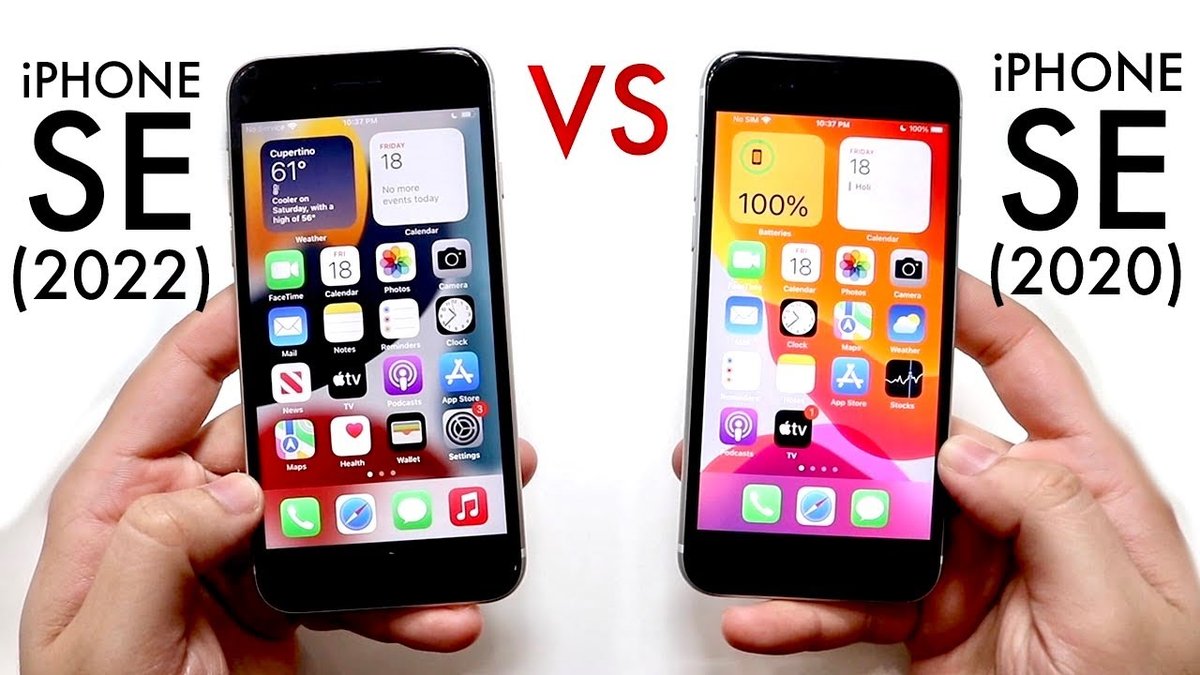
Is your compact, familiar iPhone SE 3 feeling a little... well, familiar? Perhaps you've heard whispers of a new budget champion on the horizon, sparking the big question: iPhone SE 4 vs. iPhone SE 3 Comparison: Worth the Upgrade? Tim Cook himself stirred the pot, teasing the iPhone SE 4 (also dubbed the iPhone 16E) on X on February 13th, with its full introduction set for February 19th. This isn't just another incremental update; early indications point to a truly transformative leap for Apple's affordable powerhouse.
For years, the iPhone SE line has offered a comforting blend of classic design and modern internals, a haven for those who cherish Touch ID and a home button. But the landscape of smartphones is changing, and the SE 4 is poised to shed its retro skin for a completely contemporary look and feel. If you're pondering whether to stick with your current SE 3 or jump on the next-generation bandwagon, let's break down exactly what's changing and what it means for your daily tech life.
iPhone SE 4 vs iPhone SE 3: At a Glance
Here’s a quick overview of the key rumored differences between the two models, helping you grasp the core changes right away:
- Display: SE 4 gets a larger 6.1-inch OLED (like iPhone 14) vs. SE 3's 4.7-inch LCD.
- Design: SE 4 adopts iPhone 14-style, slimmer bezels, USB-C, no Home button, no mute switch, increased IP68 rating vs. SE 3's iPhone 8-era design, Lightning port.
- Authentication: SE 4 features Face ID vs. SE 3's Touch ID.
- Processor: SE 4 likely runs on A18 chip (AI-capable) with 8GB RAM vs. SE 3's A15 chip with 4GB RAM.
- Camera: SE 4 expected to have a 48MP main camera with 4K video, 2x in-sensor zoom, and 12MP selfie camera vs. SE 3's 12MP main camera (no advanced features) and 7MP selfie camera.
- Battery: SE 4 boasts a larger 3,279mAh battery vs. SE 3's 2,018mAh.
- New Feature: SE 4 may include a customizable Action Button.
The Big Picture: Why the SE Line Matters
The iPhone SE has always carved out a unique niche. It's for the pragmatist, the value-seeker, the person who wants seamless iOS performance without the flagship price tag. Historically, it reused older iPhone designs with newer processors, a smart move to keep costs down. However, the SE 4 signals a fundamental shift in this strategy, bringing the design up to current standards while still aiming for an accessible price point. This isn't just an "SE 3.5"; it's a reimagining of what an affordable iPhone can be.
A Leap in Looks: Display and Design Overhaul
The most striking difference you'll encounter with the iPhone SE 4 isn't under the hood, but right in your hand and before your eyes.
From Compact LCD to Expansive OLED: The Visual Upgrade
Your iPhone SE 3 sports a 4.7-inch LCD panel, a size that's become increasingly rare in today's large-screen world. It's bright enough, but its colors and contrast are limited by the technology. The iPhone SE 4, on the other hand, is slated to feature a significantly larger 6.1-inch OLED screen, identical to what you'd find on an iPhone 14. This means more screen real estate for browsing, gaming, and watching videos, but also a dramatic improvement in visual quality.
Think brighter whites, deeper blacks, and a far more vibrant color palette. OLED pixels can turn completely off, offering true black and infinite contrast, something LCDs simply can't replicate. If you consume a lot of media on your phone or simply appreciate a richer visual experience, this display upgrade alone could be a game-changer. It's a move that finally brings the SE line into the modern era of smartphone displays.
Ditching the Bezel: Modern Aesthetics and USB-C
The iPhone SE 3's design, inherited from the iPhone 8, is iconic but undeniably dated. Those thick bezels above and below the screen, housing the Home button, are a relic. The iPhone SE 4 is expected to shed this look entirely, adopting the all-screen design of the iPhone 14. This means slimmer bezels all around, a more contemporary 'sandwich' construction of metal and glass, and a far more immersive feel.
Beyond aesthetics, the SE 4 is rumored to ditch the Lightning port in favor of USB-C. This is a crucial move for future-proofing and convenience, aligning it with other modern Apple devices like iPads and Macs, and complying with new regulations. Imagine using one cable for almost all your tech! However, this modern approach also means sacrificing the beloved physical mute switch, a staple of iPhones for years, likely in favor of a digital toggle or the new Action Button. For many, this will be the most tangible change in daily interaction.
Tougher Than Before: IP68 Rating
While the SE 3 has a respectable IP67 rating (resistant to dust and water immersion up to 1 meter for 30 minutes), the SE 4 is anticipated to step up to an IP68 rating. This means even greater protection against dust and water, allowing it to withstand submersion in deeper water (typically up to 6 meters for 30 minutes). If you're prone to accidental spills or spend time outdoors, this added durability provides extra peace of mind.
Your Face, Not Your Finger: The Shift to Face ID
One of the most defining characteristics of the iPhone SE line has been the inclusion of Touch ID and the physical Home button. This provided a comforting sense of familiarity for long-time iPhone users and a practical alternative to Face ID for some. However, the move to an all-screen design for the iPhone SE 4 necessitates a change.
The SE 4 is widely expected to replace Touch ID with Face ID, Apple's secure facial recognition system. This change is directly linked to the removal of the Home button and the desire for thinner bezels. While some users might mourn the loss of Touch ID, Face ID offers its own benefits, particularly in terms of convenience for unlocking, authenticating purchases, and logging into apps, often feeling more seamless once you're accustomed to it. This switch contributes significantly to the modern aesthetic and functionality of the device.
Under the Hood: Powering Tomorrow's Mobile Experience
While design and display catch your eye, it's the internal horsepower that dictates how smoothly your phone runs for years to come. Here, the iPhone SE 4 is set for a substantial upgrade.
A18 Chip vs. A15: AI, Speed, and Longevity
The iPhone SE 3 currently runs on the A15 Bionic chip, a powerhouse that still offers excellent performance for most tasks. However, the iPhone SE 4 is rumored to leap forward to the 3 nm A18 chip. This isn't just a generational bump; it's a significant upgrade that will bring enhanced speed, greater power efficiency, and, crucially, dedicated AI capabilities.
The A18 chip is expected to be a cornerstone for Apple Intelligence, the company's new suite of AI features launching with iOS 18. This means the SE 4 will be ready to handle more sophisticated on-device machine learning tasks, from advanced photo editing suggestions to more intuitive Siri interactions, smoother multitasking, and faster app launches. With 8 GB of RAM (double the SE 3's 4 GB), the SE 4 will manage more demanding applications and keep more apps in memory without needing to reload them, resulting in a noticeably snappier experience. This ensures the phone not only feels fast today but remains capable for many years, securing its spot for future iOS updates and demanding apps. For those keeping an eye on the latest developments, the official iPhone SE 4 release date will confirm all these exciting performance details.
RAM and OS: A Glimpse into the Future
Beyond the chip itself, the rumored 8 GB of RAM and the expected launch with iOS 18.3, complete with Apple Intelligence, mean the SE 4 will be at the cutting edge of software. This is a distinct advantage over the SE 3, which, while capable, won't receive the full suite of Apple Intelligence features due to its older hardware. If you're excited by the prospect of an iPhone that can anticipate your needs, write for you, and enhance your photos with on-device AI, the SE 4 positions itself as the more future-proof option.
Capturing Memories: A Camera Revolution
Historically, the iPhone SE models have offered solid but not groundbreaking camera performance. They excelled at basic point-and-shoot photography but lacked the advanced features of their flagship siblings. The iPhone SE 4 looks set to change this narrative dramatically.
From 12MP to 48MP: Detail and Low Light Performance
The iPhone SE 3 features a single 12-megapixel wide-angle lens, capable of taking good photos in ideal conditions. The iPhone SE 4, however, is rumored to pack a single 48-megapixel rear camera. This is a monumental leap. A higher megapixel count typically translates to more detail in your images, allowing for greater cropping flexibility without losing quality. More importantly, it often enables pixel-binning technology, where multiple pixels combine to form one larger "super pixel," dramatically improving low-light performance and reducing noise in challenging environments.
Combined with Apple's advanced computational photography, this 48MP sensor should deliver sharper images, better dynamic range, and a significant improvement in overall picture quality, especially in dimly lit situations. The capability to record 4K video with 2x in-sensor zoom is another professional-grade feature, providing more flexibility for videographers without needing a dedicated telephoto lens. This means your casual videos will look significantly better, with more options for framing your shots.
Selfies and Video: Stepping Up the Game
It's not just the rear camera getting an upgrade. A 12-megapixel sensor for selfies is also expected for the SE 4, a welcome bump from the SE 3's 7-megapixel front camera. This means crisper, more detailed selfies and improved video call quality, ensuring you look your best whether you're chatting with friends or attending a virtual meeting. The combination of hardware and software enhancements positions the SE 4 as a much more capable device for all your photographic needs.
Going the Distance: Battery Life Boost
One common desire among smartphone users is longer battery life. While compact phones often mean smaller batteries, the iPhone SE 4 appears to defy this trend by combining its larger physical size with a substantial battery increase.
The SE 3 houses a 2,018mAh battery, which provides decent all-day usage for moderate users but can often leave power users scrambling for a charger by late afternoon. The SE 4 is projected to feature a 3,279mAh battery. This is a massive 60% increase in capacity. Coupled with the more power-efficient A18 chip and an OLED screen (which can be more efficient than LCD for certain content), you can expect significantly longer usage times. This means more browsing, more gaming, more streaming, and less anxiety about finding an outlet. A longer-lasting phone is a more reliable and enjoyable phone, and this substantial upgrade is a huge win for potential SE 4 owners.
New Tricks: The Customizable Action Button
Another feature making its way from Apple's Pro lineup to the SE 4 is the customizable Action Button. Replacing the traditional mute switch, this button can be programmed to perform various functions with a long press. Imagine quickly launching the camera, turning on the flashlight, starting a voice memo, activating a Focus mode, or even running a custom Shortcut.
This small but mighty addition introduces a new layer of convenience and personalization that simply isn't available on the iPhone SE 3. It's a subtle but powerful way to streamline your daily interactions with your device, giving you instant access to the features you use most without having to unlock your phone or navigate through menus. It’s another example of how the upcoming iPhone SE 4 is bringing modern flagship features to a more accessible price point.
Who Should Upgrade? Making Your Decision
Deciding whether to upgrade isn't just about specs; it's about your personal needs, budget, and current device. Here's a breakdown to help you make an informed choice.
You're Still on an Older iPhone (SE 2, iPhone 8, or older)
If you're clinging to an iPhone SE 2, an iPhone 8, or even older models, the iPhone SE 4 represents an enormous leap forward. You'll gain a vastly superior display, a cutting-edge processor, a significantly better camera system, vastly improved battery life, and a modern design. The performance gains alone will make your daily tasks feel snappier and more fluid, extending the lifespan of your device for many years to come. For you, the upgrade is almost certainly worth it, offering a fresh experience without breaking the bank for a Pro model.
You Own an iPhone SE 3
This is where the decision gets a bit more nuanced. Your iPhone SE 3 is still a very capable phone, especially if you prioritize the compact size, Touch ID, and low entry price. However, if any of the following apply, the SE 4 becomes a compelling proposition:
- You crave a modern display: The jump to a 6.1-inch OLED is transformative for media consumption and general viewing.
- You want better photos, especially in low light: The 48MP camera is a significant upgrade.
- Battery life is a daily concern: The larger battery and efficient chip will provide noticeable relief.
- You want future-proof performance and AI features: The A18 chip and Apple Intelligence will keep your phone current for longer.
- You desire a modern design and Face ID: If you're tired of bezels and want a full-screen experience.
If your SE 3 still feels perfectly fine, and none of these pain points resonate strongly, you might be able to comfortably wait for another generation. However, the SE 4 offers so many foundational improvements that it's hard to ignore for anyone looking for a substantial upgrade.
You're Considering Flagship iPhones (iPhone 15, iPhone 14)
If you're torn between the SE 4 and a full-priced flagship, consider your priorities. The SE 4 will likely offer:
- Exceptional value: Flagship performance and features at a significantly lower price.
- Modern essentials: Great screen, powerful chip, capable camera.
However, flagship models (like the iPhone 15) still offer: - Premium features: Dynamic Island, multiple camera lenses (ultra-wide, telephoto), ProMotion displays, even more advanced processors (though the A18 in SE 4 will be very close to recent flagships).
- More refined build materials.
The SE 4 aims to close the gap on essential features, making it a powerful contender if you want most of the flagship experience without the hefty price tag. For many, this will be the sweet spot, especially given the expected improvements around the iPhone SE 4's official debut.
Budget Considerations
The iPhone SE line's primary appeal is its affordability. While the SE 4 will undoubtedly be more expensive than the SE 3 at launch, it will still be significantly cheaper than any current flagship iPhone. If your budget is a key constraint, but you still want the latest Apple silicon and a modern design, the SE 4 presents a highly attractive option. It offers a chance to experience a true next-generation iPhone without stretching your finances too thin.
Common Questions About the iPhone SE 4
Let's tackle some frequently asked questions that might be on your mind regarding the iPhone SE 4.
Will it be expensive?
While no official pricing has been released, the iPhone SE 4 is expected to remain true to the SE line's philosophy of affordability. It will likely be priced higher than the SE 3's starting price due to the significant upgrades (OLED screen, Face ID, A18 chip, 48MP camera), but it will still be considerably less expensive than the mainline iPhone models. Expect a compelling balance of features and price.
Is the single camera a drawback?
For most users, a single 48-megapixel camera with advanced computational photography will be more than sufficient. While flagship iPhones offer multiple lenses (ultra-wide, telephoto) for more creative flexibility, the SE 4's improved main sensor and features like 2x in-sensor zoom will deliver excellent results for everyday photos, portraits, and videos. Unless you're a professional photographer who frequently uses specialized lenses, the single high-quality sensor won't feel like a significant drawback.
What about battery life in real-world use?
The projected 3,279mAh battery, combined with the power efficiency of the A18 chip and OLED display, suggests a substantial improvement over the SE 3. While exact real-world battery life always depends on individual usage patterns, it's reasonable to expect comfortable all-day usage for most users, potentially extending into a second day for light users. This should be one of the most noticeable and welcomed upgrades. When the iPhone SE 4 officially launches, we’ll get concrete battery life benchmarks.
How long will the SE 4 get software updates?
Apple is renowned for its long software support, typically providing 5-7 years of major iOS updates. Given the A18 chip is a 3 nm processor and on par with the latest technology, the iPhone SE 4 is set to receive a very long lifespan of software updates, potentially even longer than previous SE models. This makes it an excellent long-term investment.
The Verdict: Is the iPhone SE 4 Worth Your Hard-Earned Cash?
The iPhone SE 4 isn't just an update; it's a complete reimagining of what an "affordable" iPhone can be. It sheds the last vestiges of its vintage design, embracing the modern all-screen aesthetic, Face ID, and USB-C. Under the hood, it's packed with a cutting-edge A18 chip, a dramatically improved 48-megapixel camera, and a significantly larger battery. It's essentially an iPhone 14 in design, with an even newer processor.
For those still holding onto an older iPhone (SE 2, iPhone 8, or earlier), the answer is a resounding yes: this will be a phenomenal upgrade across the board.
For current iPhone SE 3 users, the decision hinges on how much you value the specific improvements. If you've been yearning for a larger, more vibrant OLED screen, a much better camera, all-day battery life, and a future-proof processor with AI capabilities, then the iPhone SE 4 represents a highly compelling reason to upgrade. It delivers a modern iPhone experience without demanding the premium price of a flagship, making it arguably the best value proposition in Apple's entire lineup. Keep an eye on the official launch details and pricing, which are sure to follow soon after the recent announcement regarding the iPhone SE 4's release date. This could very well be the upgrade you've been waiting for.