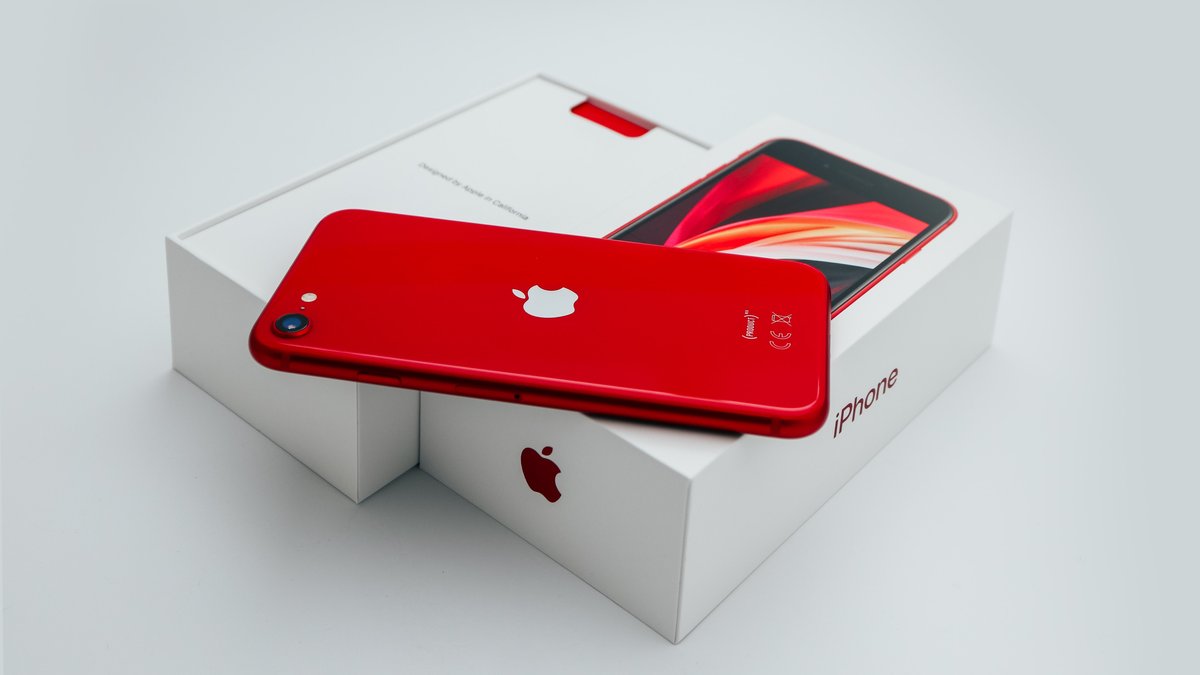
It's no secret that Apple thrives on anticipation. Every new device release sparks debate, desire, and fervent speculation. But perhaps no rumored device carries quite the unique strategic weight as the potential iPhone SE 4. More than just a new handset, understanding the Potential iPhone SE 4 Target Audience and Market Impact means peeling back layers of Apple's long-term strategy and what it means for the broader smartphone landscape. Is it merely a budget-friendly option, or a calculated move to capture new market segments and solidify its ecosystem? Let's dive in.
At a Glance: What the iPhone SE 4 Could Mean
- Expanded Reach: Taps into price-sensitive segments, particularly in emerging markets and for first-time iPhone users.
- Ecosystem Reinforcement: Solidifies loyalty among existing Apple users seeking an affordable upgrade.
- Android Challenger: Directly competes with mid-range Android devices from Samsung and Google.
- Modern Design, Lower Cost: Likely offers a refreshed, more contemporary design than its predecessor, making it visually appealing without the premium price tag.
- Strategic Play: Aims to increase Apple's global market share and deepen engagement with its services ecosystem.
Apple's "Value" Proposition: The iPhone SE Strategy
For years, Apple has masterfully cultivated an image of premium quality, cutting-edge innovation, and aspirational luxury. Its flagship iPhones, from the latest Pro models to the standard line, cater to a demographic that values status, advanced features, and a seamless, secure ecosystem—and is willing to pay for it.
However, Apple also understands that not everyone can, or wants to, splurge on a top-tier device. This is where the iPhone SE line traditionally steps in. It's Apple's strategic answer to the "value" segment, offering core iPhone experiences—the iOS operating system, robust security, access to the App Store, and Apple's powerful chips—in a more accessible package. It's less about compromising quality and more about offering a different entry point into the Apple universe.
The previous SE models have typically recycled older flagship designs with updated internal components. The anticipated iPhone SE 4 release date is rumored to break this mold, potentially bringing a more modern design, closer to recent mainline iPhones, making its target audience and market impact even more significant.
Deconstructing Apple's Core Audience: Where Does the SE Fit?
To understand who the iPhone SE 4 is for, we first need to understand who Apple's iPhones already serve. Apple's market segmentation is incredibly sophisticated, targeting specific demographic, geographic, behavioral, and psychographic profiles.
The "Apple Faithful": Demographics and Lifestyle
Apple's primary consumer base generally falls into the 18 to 45 age bracket. Within this, there's a slight edge in popularity among women, comprising about two-thirds of its customer base. However, the primary target for iPhone, specifically, skews towards men aged 35-44, with a robust secondary market of 18-34-year-olds.
These aren't just any individuals; they are often college-educated professionals who appreciate productivity, aesthetics, and the prestige associated with the Apple brand. They frequently possess a higher disposable income, enabling them to invest in premium products that align with their lifestyle. They're drawn to innovation, quality craftsmanship, and the distinctive design language that has become an Apple hallmark.
Geographic Footprint: Urban Hubs and Growing Frontiers
Geographically, Apple's strongest presence is in the Americas, particularly the U.S. smartphone market, which includes a surprisingly strong MacBook ownership in rural areas. Europe and Greater China follow closely, representing massive consumer bases. Beyond these established regions, Japan and other Asia-Pacific regions show promising growth potential for Apple. Globally, Apple typically focuses its efforts on urban areas, leveraging the concentration of its target affluent consumers. With over 1.46 billion active iPhone users worldwide as of 2024, Apple’s reach is undeniable.
Behavioral Deep Dive: Loyalty, Engagement, and Ecosystem Stickiness
One of Apple's most significant strengths is its unparalleled customer loyalty. An astonishing estimated 85% of iPhone sales are attributed to existing users upgrading their devices. This isn't just about buying a new phone; it's about deep engagement with the entire Apple ecosystem. Users spend significantly on App Store apps, services, and subscriptions, driven by a desire for the newest technology and the seamless integration across their Apple devices. The habit of buying into the ecosystem makes switching feel like a daunting task, solidifying retention.
Psychographic Profile: Values, Aspirations, and Status
Apple customers aren't just buying a product; they're buying into a lifestyle and a set of values. Psychographically, they are often financially stable and tend to be risk-averse, prioritizing comfort, security, reliability, and unquestionable quality. Their loyalty is so pronounced that the thought of switching to a different ecosystem feels like a monumental undertaking.
These individuals are frequently early adopters, tech-savvy, and can be categorized as aspirers, succeeders, or explorers. They view their investment in premium Apple products as enhancing their lifestyle and serving as subtle—or not so subtle—status symbols. Apple's marketing resonates deeply with these traits, crafting campaigns that emphasize innovation, creativity, and empowerment, showcasing how products enhance everyday lives and connect personally with customers.
Who is the iPhone SE 4 Really For? Pinpointing the Primary Target Audience
Given Apple's existing customer base, the iPhone SE 4 isn't just filling a gap; it's a strategic expansion and fortification of its market position. The primary target audience for the iPhone SE 4 will be multifaceted, each group drawn to its unique value proposition.
1. The Price-Sensitive Apple Loyalist
This is perhaps the most obvious segment. Many existing iPhone users love their Apple devices, the iOS experience, and the ecosystem's seamless integration. However, they may find the escalating prices of the flagship iPhone Pro and even the standard iPhone models increasingly prohibitive.
The iPhone SE 4 caters directly to them. It allows them to stay within the Apple fold, enjoy modern features (like an updated camera, faster chip, and potentially a new design), and benefit from Apple's renowned security and support, all without the premium price tag. For someone upgrading from an iPhone XR or 11, the SE 4 could feel like a significant leap without the financial strain of a 15 Pro.
2. The "First-Time iOS" Explorer
This segment comprises Android users—or even those using feature phones—who are curious about the Apple ecosystem but are unwilling or unable to make a substantial financial commitment upfront. The SE 4 offers an affordable, yet credible, entry point.
For these individuals, the SE 4 isn't just a phone; it's a gateway. They get to experience iOS, FaceTime, iMessage, and the vast App Store without feeling like they've overspent if it doesn't quite click for them. This is crucial for Apple's long-term growth, as converting new users into the ecosystem often leads to future upgrades to more expensive devices and increased services revenue.
3. The "Upgrade from Vintage" User
A significant portion of iPhone users clings to older models like the iPhone 8, SE 2nd Gen, or even older. These devices, while still functional, lack modern features, have aging batteries, and may soon lose software support.
The iPhone SE 4 serves as the perfect upgrade path. It offers a fresh design (potentially moving away from the home button), improved camera capabilities, a more powerful processor, and longer software support, making it a compelling leap without the cost of a flagship. This segment values reliability and familiarity but is ready for a modern refresh.
4. Emerging Markets & Growth Regions
Apple has made significant inroads into developed markets, but substantial growth opportunities lie in emerging economies where smartphone adoption is still rapidly increasing. In these regions, high-end iPhones are often out of reach for the average consumer.
The SE 4 is tailor-made for these markets. By offering a strong Apple experience at a more competitive price point, Apple can capture a larger share of this burgeoning demand. This is a critical part of Apple's future strategy, adapting to shifts in consumer preferences globally and countering potential "anti-Apple sentiments" by offering more accessible products.
5. The "Secondary Device" User
Not everyone needs a top-of-the-line smartphone as their primary device. Some users might want a compact, reliable Apple phone for specific purposes—a work phone, a dedicated gaming device, a phone for a child, or simply a backup.
The iPhone SE 4 fits this niche perfectly. Its expected blend of solid performance and reasonable price makes it an ideal candidate for those who need an Apple device but don't require all the bells and whistles of a flagship.
6. Businesses & Education
Organizations, from small businesses to large educational institutions, often deploy fleets of devices for their employees or students. For these scenarios, cost-effectiveness, security, ease of management, and longevity are paramount.
The iPhone SE 4, with its robust iOS security, predictable performance, and expected multi-year software support, presents a very attractive option for bulk deployment. It allows institutions to provide a uniform, reliable, and secure mobile experience without the prohibitive cost of flagship devices.
Key Features & Speculations: What Attracts This Audience?
While specific features of the iPhone SE 4 remain speculative, the general direction is clear: Apple aims to deliver a modern experience at a more accessible price. The allure for the target audience hinges on a few anticipated upgrades:
- Refreshed Design: A move away from the iPhone 8-era design to something more akin to the iPhone X/XR/11, featuring an all-screen display (with a notch) and Face ID. This is a huge draw for those upgrading from older models, instantly making the device feel current.
- Improved Camera System: While not expected to match the Pro models, a significant upgrade in camera hardware and computational photography capabilities would be a major selling point. Users want good photos without needing pro-level gear.
- Latest A-Series Chip: Integrating a recent (though perhaps not the absolute newest) A-series Bionic chip ensures snappy performance, smooth multitasking, and extended longevity for software updates. This addresses the "risk-averse" psychographic trait by promising reliability.
- 5G Connectivity: Standardized 5G support is essential for future-proofing and meeting current consumer expectations for fast mobile data.
- Enhanced Battery Life: Any improvement in battery performance is always a welcome addition, particularly for users upgrading from older, more power-hungry devices.
These features, combined with Apple's commitment to security, privacy, and long-term software support, create a compelling package that speaks directly to the needs and values of the identified target audiences.
Market Impact: Ripples Across the Smartphone Landscape
The introduction of the iPhone SE 4 will send ripples through the entire smartphone market, affecting both Apple's internal dynamics and its competitive standing.
Internal Cannibalization (and Why Apple is Okay With It)
Some analysts might worry about the SE 4 cannibalizing sales of Apple's other devices, particularly older models like the standard iPhone 13 or 14 that might see price drops. However, Apple typically manages this strategically. Any cannibalization is often considered a worthwhile trade-off if it means keeping users within the ecosystem or bringing new ones in. It's better for Apple to capture a sale with a lower-margin SE device than to lose a customer entirely to an Android competitor.
Furthermore, by offering a clear tiered pricing structure—SE for value, standard iPhone for core modern features, Pro for enthusiasts—Apple ensures it has a product for various budget levels, preventing customers from defecting due to price.
Challenging the Mid-Range Android Dominance
This is where the iPhone SE 4 could make its most significant external impact. For years, the mid-range segment (roughly $300-$600) has been dominated by Android manufacturers like Samsung (with its popular A-series), Google (with the Pixel A-series), and various Chinese brands. These phones offer compelling features at accessible prices.
The iPhone SE 4 positions Apple to directly compete in this lucrative segment. It offers the allure of the Apple brand, the security of iOS, and a powerful chip—factors that many Android rivals struggle to match comprehensively at a similar price point. This could force Android competitors to innovate further or adjust their own pricing strategies to remain competitive. The battle for the mid-range will intensify, benefiting consumers with more choice and potentially better value.
Strengthening the Ecosystem Moat
Every iPhone sold, regardless of its price, is a gateway into Apple's services ecosystem. This includes iCloud, Apple Music, Apple TV+, Apple Arcade, and the App Store. Users within this ecosystem are more likely to spend money on subscriptions and digital content, creating a consistent, high-margin revenue stream for Apple.
The SE 4, by expanding Apple's user base, directly contributes to this. More users mean more potential services revenue, further solidifying Apple's "moat" against competitors and increasing the lifetime value of each customer. This aligns with Apple's powerful branding, which integrates minimalist product design and intuitive names to create an elegant, sophisticated image of high quality and user-friendliness.
Global Market Share Expansion
For Apple, increasing unit sales and global market share is a key objective, especially as smartphone growth in mature markets plateaus. The SE 4 is a crucial tool for achieving this, particularly in emerging markets where its more accessible price point can unlock significant new demand.
While it might slightly lower Apple's overall iPhone Average Selling Price (ASP), the increase in unit sales and the long-term potential for services revenue more than compensates for it. This strategic re-positioning helps Apple adapt to shifts in consumer preferences and tap into regions with rapid demand increases.
Apple's Strategic Playbook: How the SE 4 Fits In
The iPhone SE 4 isn't a deviation from Apple's core strategy; it's an extension of it. It reinforces several key pillars of Apple's success:
- Brand Identity & Loyalty Reinforcement: Even at a lower price, the SE 4 is an "iPhone." It leverages Apple's strong brand identity and its reputation for quality, security, and user-friendliness. By offering an affordable option, Apple demonstrates its commitment to making its technology accessible, which can deepen loyalty across its entire customer base.
- Marketing Focus: Innovation & Value: While Apple's flagship marketing emphasizes cutting-edge innovation, the SE's campaigns will likely focus on delivering essential modern features and the core iPhone experience at an unbeatable value. This caters to a different emotional branding aspect—empowerment and everyday enhancement—rather than just aspirational luxury. Apple's multifaceted market segmentation strategy allows it to tailor messages effectively across different product lines.
- Pricing Strategy: The "Affordable Premium" Niche: Apple's overall pricing strategy is premium, positioning its products as high-value and aspirational. The SE 4 carves out an "affordable premium" niche within this strategy. It’s not cheap, but it's the most cost-effective way to get a new Apple smartphone experience, making it a powerful tool for customer acquisition and retention.
Navigating Competitive Waters
The smartphone market is fiercely competitive, with major players like Samsung, Google, and Huawei constantly vying for market share. The iPhone SE 4's entry will certainly intensify this rivalry.
Versus Samsung: A Direct Mid-Range Battle
Samsung traditionally adopts a more inclusive strategy, offering a vast range of products at various price points, from budget-conscious to high-end. Its strength lies in customization, practicality (like expandable storage on some models), and catering to diverse consumer needs.
The iPhone SE 4 directly challenges Samsung's highly successful A-series, which dominates the mid-range Android market. Apple's advantage will be its tightly integrated ecosystem, superior long-term software support, and the undeniable appeal of the Apple brand. For consumers, this means a sharper contrast between Apple's curated, seamless experience and Samsung's more open, customizable approach.
Versus Google Pixel: Smart, Affordable, and AI-Driven
Google's Pixel A-series phones are perhaps the closest Android equivalent to the iPhone SE in philosophy: offering a flagship-level camera and a clean Android experience at a reduced price. These devices often lead with AI-powered features and excellent software support.
The SE 4 will go head-to-head with Pixel A-series devices, competing on camera performance, software experience, and overall value. While Pixel might push the boundaries of AI, the iPhone SE 4 will leverage the strength of the Apple ecosystem, its powerful Bionic chip, and its proven track record for reliability and security.
Apple's Advantages Reinforced, Challenges Addressed
The SE 4 helps reinforce Apple's enduring advantages: a strong brand identity, a commitment to innovation (even if it's "trickle-down" innovation for the SE), robust research and development, and that incredibly sticky, tightly integrated ecosystem.
Crucially, the SE 4 directly addresses Apple's primary challenge: its premium pricing, which can alienate price-sensitive consumers. By offering a more affordable option, Apple lowers the barrier to entry, mitigating the impact of relatively low switching costs to other ecosystems for potential new users. This expansion into emerging markets, coupled with leveraging technological innovations in software and cloud computing infrastructure, positions Apple for continued growth.
Making Your Decision: Is the iPhone SE 4 for You?
The potential iPhone SE 4 is more than just another device; it's a statement from Apple about its intentions in a diversifying global market. For you, the consumer, understanding its target audience and market impact helps clarify where it fits in the vast smartphone landscape.
If you are:
- An existing iPhone user looking for an affordable upgrade that keeps you in the Apple ecosystem.
- An Android user curious about iOS but hesitant to pay flagship prices.
- Someone still using an older iPhone (8 or earlier) yearning for a modern design and performance boost.
- A parent looking for a reliable, secure first smartphone for your child.
- A business or educator seeking cost-effective, manageable devices for deployment.
Then the iPhone SE 4 is likely designed with you in mind. It promises to deliver a powerful, secure, and aesthetically pleasing Apple experience without demanding the premium investment of its flagship siblings. Keep an eye on the official announcements to see how this crucial device reshapes the conversation around value, loyalty, and market leadership.