The faint hum of a new release always stirs excitement in the tech world, but with Apple, it's often a seismic event. This time, the tremor is about the budget-friendly underdog, and if you’re eyeing a new iPhone, a critical question looms: Should You Wait for the iPhone SE 4? Early Buyer's Guide. The answer, for most people, is a resounding yes, and here’s why that patience will pay off handsomely.
At a Glance: Your Quick iPhone SE 4 Takeaways
- Release Window: Expected early 2025 (March/April).
- Price Point: Anticipated near $500, a modest increase.
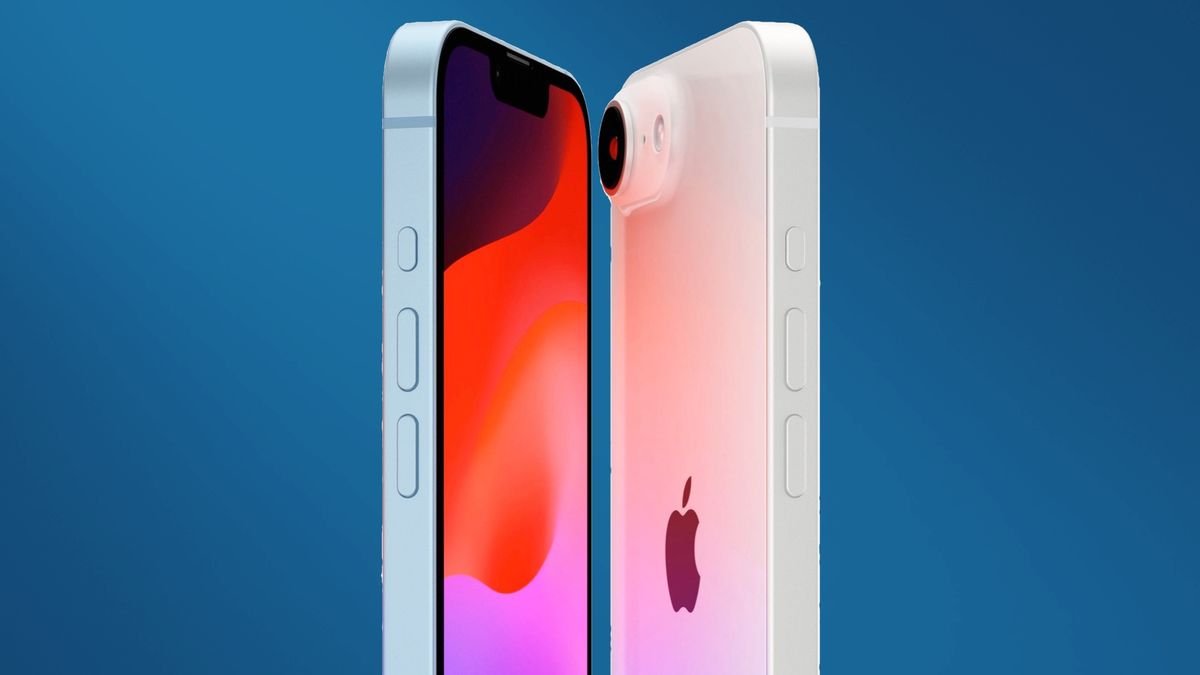
- Major Redesign: Looks like an iPhone 14, ditching the old home button for an all-screen design.
- Display Upgrade: Moving from a tiny 4.7-inch LCD to a larger 6.06-inch OLED with Face ID.
- Camera Boost: A single, but powerful, 48-megapixel main camera.
- Modern Touches: USB-C charging, Action Button, better battery life, upgraded 5G.
- Performance Potential: Could feature an A15 chip or even the new A18, bringing Apple Intelligence to a wider audience.
- Current Model (SE 2022): Strongly advised against purchasing now due to age, imminent replacement, and dwindling stock.
The iPhone SE: Apple's Understated Power Play
For years, the iPhone SE has been Apple’s answer to the "affordable iPhone" question, a strategic move to bring more users into its ecosystem without demanding flagship prices. It’s always been about delivering core Apple features in a no-frills, familiar package. But the current third-generation iPhone SE, released in 2022, is showing its age. Its design harks back to 2017, its screen is small by modern standards, and its Touch ID-only approach feels increasingly niche.
Apple knows this. They’ve seen the sales slump for the current SE, and they understand that to expand their reach, especially in budget-conscious markets, the next SE needs a significant glow-up. This isn’t just about a new phone; it’s about a fresh entry point into the Apple universe for millions.
Why Buying the Current iPhone SE (2022) is a Bad Idea Right Now
Let's be blunt: purchasing the iPhone SE (2022) today is likely a mistake. This model, now nearly three years old, is quickly becoming obsolete in terms of its core design and feature set. While it still packs a punch with its A15 Bionic chip (the same chip found in the iPhone 13 Pro Max), its small 4.7-inch LCD display with chunky bezels and Touch ID button feels like a relic in an era of edge-to-edge screens and Face ID.
Apple itself has reportedly limited supply of the current SE, signaling its impending replacement. You don't want to invest in a device that’s about to be significantly outclassed by its successor for roughly the same price. Think of it like buying a brand-new car model knowing a completely redesigned version with modern features is hitting showrooms in a few months for only a few hundred dollars more. It just doesn't make sense.
Anticipating the iPhone SE 4: A Modern Makeover on a Budget
The rumors surrounding the iPhone SE 4 paint a picture of a device that finally breaks free from the past. This isn't just an internal spec bump; it's a complete reimagining of what an "affordable" iPhone can be, bringing it much closer to its flagship siblings.
The iPhone 14-Inspired Redesign: A Fresh Face
The most significant and visually striking change will be the design. The iPhone SE 4 is expected to ditch the iconic (or, depending on your perspective, antiquated) iPhone 8-era design with its home button and large bezels. Instead, it’s rumored to adopt the modern aesthetics of the iPhone 14.
What does this mean for you?
- Larger, More Immersive Display: Say goodbye to the 4.7-inch LCD. The SE 4 is expected to feature a spacious 6.06-inch OLED display. This isn't just a size increase; it's a monumental leap in display technology, offering deeper blacks, more vibrant colors, and significantly better contrast than any previous SE model.
- Hello, Face ID: With the elimination of the home button comes the adoption of Face ID. This secure facial recognition system will replace Touch ID, bringing a more modern and seamless unlocking experience, as well as enabling features like Apple Pay authentication with just a glance.
- Notch Life: Yes, it will likely come with a notch at the top, housing the TrueDepth camera system for Face ID. While some might prefer a punch-hole, for a budget iPhone, this is a very acceptable trade-off for the advanced features it enables.
Elevating the Camera Game: Single Lens, Big Impact
The iPhone SE has always been a decent, but never a standout, camera phone. That's set to change with the SE 4. While it's expected to retain a single rear camera lens, it's rumored to be a significant upgrade: a 48-megapixel sensor.
Why a 48MP single lens matters:
- Enhanced Detail: More megapixels mean more detail, allowing for sharper images and more flexibility when cropping.
- Improved Low Light: Larger sensors and pixel-binning technology (combining pixels for better light capture) can lead to much better performance in challenging low-light conditions.
- Computational Photography: Paired with Apple's powerful image processing, this 48MP sensor could deliver photos that are competitive with much more expensive phones, benefiting from features like Smart HDR and Photographic Styles.
- No Telephoto or Ultra-Wide? Yes, it's still just one lens. If you frequently use ultra-wide shots or optical zoom, you'll still need to look at the more expensive Pro models. But for the vast majority of users, a single, high-quality main camera is more than sufficient.
Power & Potential: A15 or the New A18?
This is where the rumors diverge a bit, and the implications are significant.
- A15 Bionic (iPhone 13/SE 3 chip): Some reports suggest the SE 4 will stick with the A15 Bionic chip. This is still an incredibly capable processor, offering blazing-fast performance for everyday tasks, gaming, and demanding apps. It would keep costs down and still provide years of software updates.
- A18 Silicon (iPhone 16 chip): Other, more exciting, rumors point to the possibility of the newer A18 chip, which is expected to debut in the iPhone 16 lineup. This would be a massive coup for a budget phone. The A18 is designed to powerfully support Apple Intelligence, the company's new suite of AI features.
- The AI Advantage: If the SE 4 gets the A18, it means users would gain access to cutting-edge AI capabilities—like advanced Siri interactions, on-device text generation, image manipulation, and deep system integration—at a much lower price point. This would truly democratize Apple's latest technological leap.
While the A15 would still be excellent, the A18 would make the iPhone SE 4 a truly future-proof device, placing it at the forefront of Apple's AI push.
Modern Conveniences: USB-C, Action Button, and Better Battery
Beyond the core design and performance, the SE 4 is set to inherit several modern features that enhance daily usability:
- USB-C Charging: Finally, Apple is standardizing USB-C across its iPhone lineup. The SE 4 will feature USB-C, meaning you can use one cable for your iPhone, iPad, Mac, and many other devices. This is a huge convenience upgrade from the proprietary Lightning port.
- The Action Button: First introduced on the iPhone 15 Pro, the customizable Action Button is rumored to make its way to the SE 4. This button, replacing the traditional mute switch, can be programmed to launch the camera, flashlight, voice memo, focus modes, translate, accessibility features, or act as a shortcut. It's a surprisingly handy addition.
- Improved 5G: Expect upgraded 5G technology, offering faster and more reliable cellular connections where available.
- Better Battery Life: The SE 4 is anticipated to include a 3279 mAh battery, similar to the iPhone 14. This is a significant bump from the current SE's 2018 mAh battery, promising much better endurance throughout your day. Combined with the efficiency of an OLED display and a modern chip, battery anxiety should be a thing of the past for SE users.
The Price Tag: Near $500
While the iPhone SE 4 represents substantial upgrades, it's still expected to maintain its budget-friendly positioning. The retail price is rumored to be near $500, an increase from its $429 predecessor, but a modest one considering the complete overhaul. For context, the entry-level iPhone 15 starts at $799. The SE 4 would offer a very compelling feature set for its price, widening the accessibility of Apple's ecosystem. For more specifics on when you can expect this device, check out our guide on the iPhone SE 4th generation release date.
Who is the iPhone SE 4 For? Apple's Ecosystem Strategy
The iPhone SE 4 isn't just a new phone; it's a strategic move by Apple to address several key market needs:
- First-Time iPhone Buyers: Individuals currently on Android or older feature phones who want to experience the Apple ecosystem without breaking the bank.
- Budget-Conscious Consumers: Those who need a reliable, up-to-date smartphone but can't justify the $800+ price tag of a flagship iPhone.
- Users Upgrading from Very Old iPhones: People clinging to an iPhone 8, iPhone X, or even older models who want a significant upgrade in performance and features but value simplicity and a lower cost.
- Developing Markets: Expanding Apple's presence in regions where high-end flagships are often out of reach for a large portion of the population.
- Addressing SE (2022) Slump: The SE 3 didn't sell as well as anticipated. The SE 4 aims to reinvigorate interest in the affordable segment.
The SE 4 is designed to be a gateway, offering enough modern features (Face ID, USB-C, better camera, AI potential) to feel current, while keeping the price low enough to attract a broader audience.
Decision Time: Is Waiting Right for YOU?
Given the substantial improvements expected, waiting for the iPhone SE 4 is a smart move for most people. However, your personal circumstances might dictate a different path.
Why Waiting for Early 2025 is Your Best Bet
- Massive Feature Leap: You're not just waiting for a slightly better chip. You're waiting for an entirely new design, a vastly superior screen, Face ID, a much-improved camera, USB-C, the Action Button, and potentially groundbreaking AI features. This is a generational upgrade in every sense.
- Modern Longevity: A phone with an iPhone 14-like design and potentially an A18 chip will feel current and receive software updates for many years to come.
- Future-Proofing: With features like USB-C and potentially Apple Intelligence, the SE 4 will integrate seamlessly with Apple’s evolving ecosystem and industry standards.
- Value for Money: The rumored $500 price point for these upgrades offers incredible value that simply isn't available from any other current iPhone.
When Waiting Might Not Be an Option (And What to Do)
Sometimes, waiting just isn't feasible. Here are a few scenarios and potential solutions:
"My Current Phone is Dying NOW and I Can't Wait Months"
- Consider a Refurbished iPhone: If your budget allows, a professionally refurbished iPhone 12 or 13 can offer a great experience at a reduced price. These still have excellent cameras, performance, and modern designs with Face ID. Just ensure it's from a reputable seller with a warranty.
- Older Flagship Deals: Keep an eye out for sales on the iPhone 13 or even the base iPhone 14 (if your budget stretches). Carriers often offer deals on previous-generation models when a new one is released.
- Temporary Solution: If you absolutely need a phone today and have a very tight budget, consider a very cheap, basic Android phone as a stop-gap measure, or even try to squeeze a few more weeks out of your current device with a battery replacement.
"I Need the Small Form Factor of the Current SE"
This is a valid point. The current iPhone SE (2022) is one of the last remaining truly compact smartphones. If you genuinely prefer a phone that easily fits into the smallest pockets and is comfortably used with one hand, the larger 6.06-inch screen of the SE 4 might be a concern.
- Re-evaluate: Try holding an iPhone 14 or iPhone 13 in a store. You might find that the modern edge-to-edge design makes a 6.06-inch screen feel less cumbersome than you expect.
- Accept the Trade-off: The benefits of the SE 4's larger screen (better for browsing, video, gaming) and other modern features likely outweigh the slight increase in physical size for most users.
"I Want the Latest Tech, But Not Flagship Price"
This is precisely the person the iPhone SE 4 is being designed for. If this describes you, waiting is the absolute best course of action. You'll get much of the "new iPhone" feeling— Face ID, a modern screen, USB-C, Action Button, and potentially Apple Intelligence—without paying double the price for a Pro model.
Beyond the SE: Other iPhone Options to Consider (If You Can't Wait)
If the iPhone SE 4 timeline doesn't work for you, or if you decide its feature set isn't quite right, here are a couple of alternatives within the Apple ecosystem:
- iPhone 13: Still a fantastic phone, often available at a reduced price. It offers a modern design, excellent dual-camera system, A15 Bionic chip, and Face ID. Its battery life is also strong.
- iPhone 14: Similar to the iPhone 13, but with slightly improved camera performance, crash detection, and satellite SOS (if you're in a supported region). If you find a good deal, it's a solid choice.
- Refurbished iPhone 12 Pro or 13 Pro: For those who want Pro features (like a telephoto lens, ProMotion display, or LiDAR scanner) but want to save money, a certified refurbished Pro model from a previous generation can be an excellent choice. Ensure you buy from Apple or a trusted reseller like Gazelle for peace of mind.
Common Questions & Misconceptions About the iPhone SE
"Will the iPhone SE 4 be waterproof?"
Yes, like all recent iPhones, the iPhone SE 4 is expected to have an IP68 rating for water and dust resistance, meaning it can withstand submersion in up to 6 meters of water for 30 minutes. This is standard for modern smartphones and provides peace of mind against spills and splashes.
"Does the iPhone SE 4 mean the end of Touch ID?"
For new iPhone models, yes, it appears so. With the adoption of the iPhone 14-like design and Face ID, the physical home button (and thus Touch ID) is expected to be retired from the mainstream iPhone lineup. Touch ID may persist on iPads, but the trend for iPhones is clear.
"Will the SE 4 get the same software updates as flagship iPhones?"
Absolutely. Apple is excellent with long-term software support. The SE 4, especially with a newer chip like the A18, will receive iOS updates for many years—likely 5-7 years, keeping it current with the latest features and security patches. This is a major advantage of buying an iPhone.
"Is a single camera lens enough for most people?"
For the vast majority of users, yes. While multi-lens systems on Pro iPhones offer versatility (ultra-wide, telephoto zoom), the primary wide-angle lens is what most people use 90% of the time. A high-quality 48MP main sensor with Apple's computational photography will produce excellent results for everyday photos, portraits, and videos.
"Will the iPhone SE 4 have an always-on display?"
Highly unlikely. The always-on display feature is currently exclusive to Pro models with ProMotion technology (variable refresh rates down to 1Hz). To keep costs down, the SE 4 will likely feature a standard 60Hz OLED panel, meaning no always-on display.
Final Call: Making Your Smart Move
If you're in the market for a new iPhone and don't need a flagship device, the message is clear: wait for the iPhone SE 4. The expected leap in design, display, camera, charging, and potential AI capabilities for an estimated $500 makes it an unparalleled value proposition.
Mark early 2025 on your calendar. This isn't just another incremental update; it's the iPhone SE finally coming into its own, offering a modern Apple experience at a price that won't break the bank. Your patience will be richly rewarded with a device that feels fresh, powerful, and ready for years of use.